
From the art of threadwork to cultural history:
Who is behind lace.art.history?
My first love: Honiton lace
My personal passion is Honiton lace. I have been making this exceptionally fine type of lace for many years with the greatest enthusiasm. Why? Thanks to the enormous variety of fill patterns, the design possibilities for Honiton lace are virtually limitless. I’m also fascinated by the precise crocheting technique and working with ultra-fine thread.
I took my first Honiton course with Susan Thompson. I made the delicate rosette based on a design from her book *Further Steps in Honiton Lace*. Later, a bespoke setting was created for it at the renowned jewellery workshop of the jeweller and goldsmith Oberleitner in Wiesbaden – a photograph of this exquisite piece of jewellery now forms my logo. However, I prefer to work from my own designs. I present a selection of examples below:
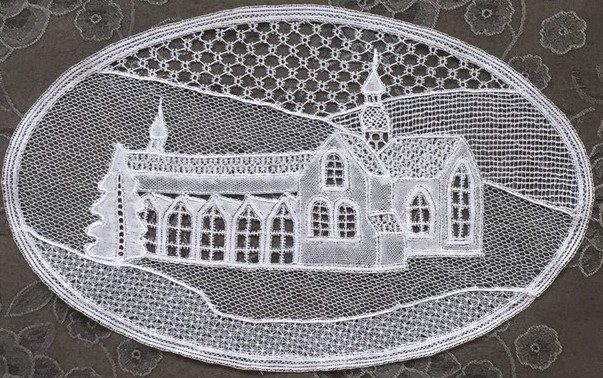
Abb. 5: Photo: Own photograph and Own Design
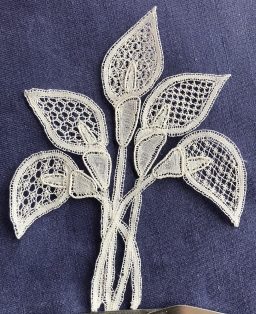
Abb. 6:Photo: Own photograph and Own Design
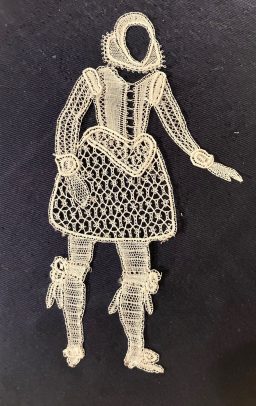
Abb. 7: Photo: Own photograph and Own Design
A depiction of Eberbach Abbey in the Rheingau/Germany. It took around two years from the initial sketch to the final version of this piece.
Inspired by Mika Toyoda – I’d seen a photo of her bobbin-laced calla lilies – I created my own designs for this fascinating flower.
A male figure, symbolising the magnificent men’s fashion of the 17th century, designed by myself.
My second passion: History as reflected through the ages
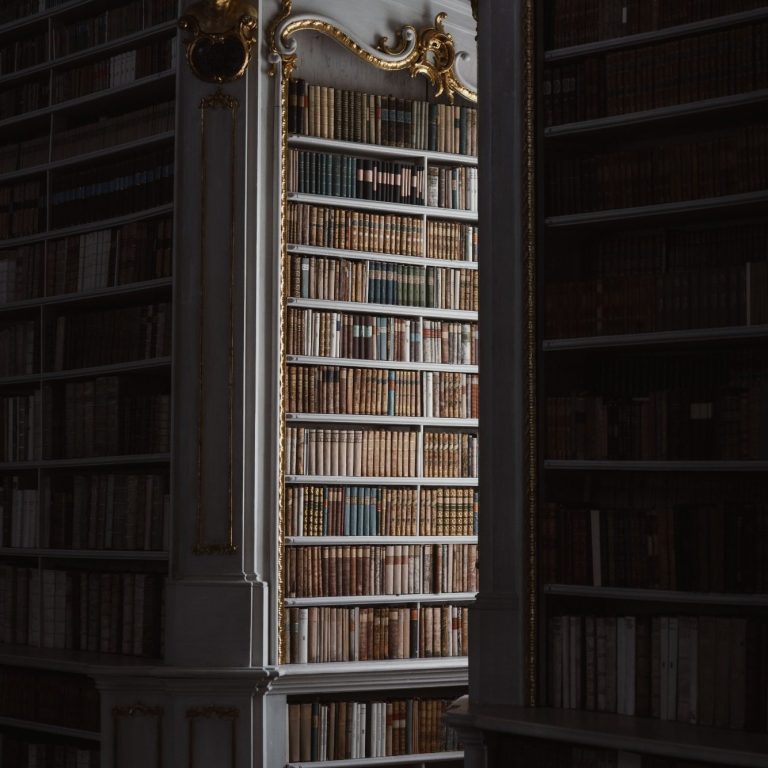
Abb. 9: Foto Yüksek, Ahmet, Unsplash, Hohe Bücherregale voller alter Bücher in einer Bibliothek
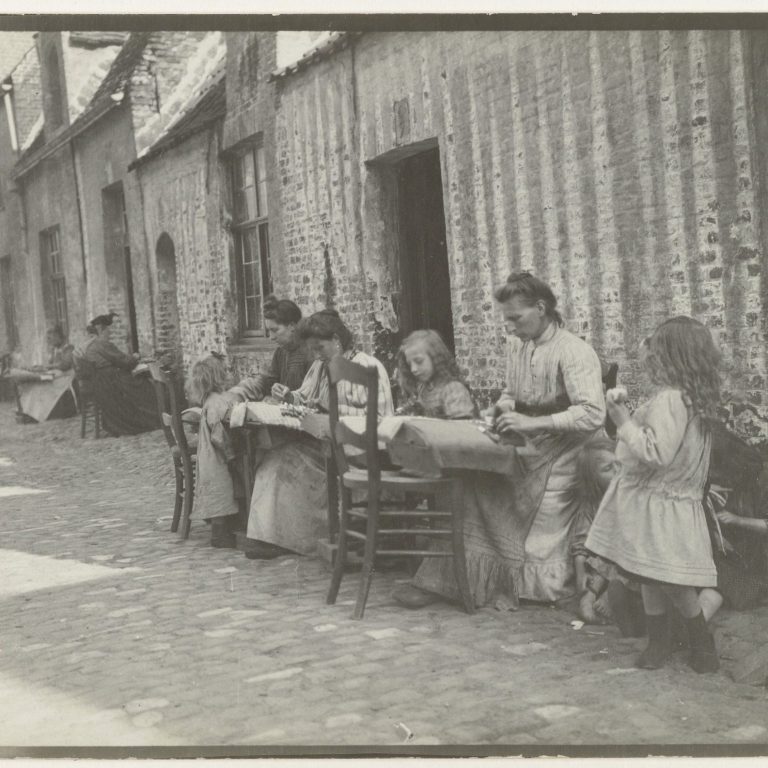
Abb. 8: Rijksmuseum Amsterdam, Straat waar vrouwen aan het kantklossen zijn
When I began researching for a lecture years ago, I soon came across a gap in the academic literature: Although the library shelves were full of guides to techniques, patterns and types of lace, I searched in vain for books that contextualised the phenomenon of lace in a multidimensional way. Hardly any work sheds light on the profound economic influences, the global trade routes, the real living and working conditions of the lace-makers, or the power of the Church in its entirety.
This knowledge has not been lost, but it is, in the truest sense of the word, buried. It lies dormant in volumes on French economic history, in historical journals or in old legal texts. Bringing this material to light and making it accessible requires an in-depth, systematic analysis of sources, to which I am passionately dedicated.
The aim of lace.art.history
This is precisely where my project comes in. My aim is to bridge this gap and to reveal the cultural history of bobbin and needle lace in all its fascinating complexity.
I want to take the subject out of the narrow niche of needlework and present the historical context in the way this delicate art form deserves: thoroughly researched, vividly presented and with academic rigour.
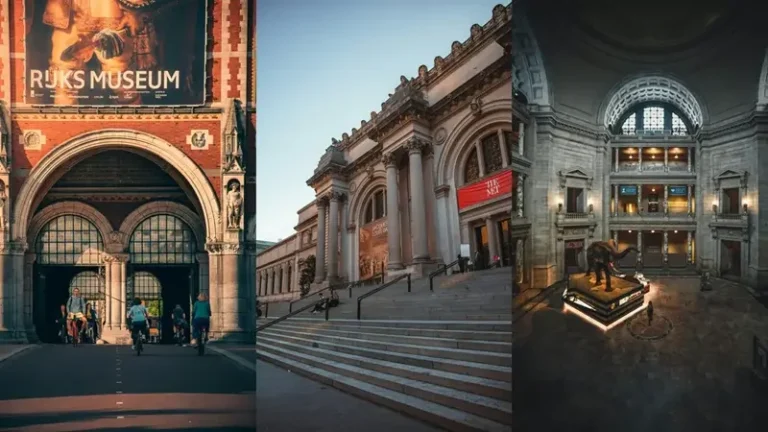
Abb. 10: Fotos von links nach rechts Petar Avramoski, Diane Picchiottino, Roberto Nickson, Unsplash
Acknowledgements
A heartfelt thank you goes to museums such as the Rijksmuseum in Amsterdam, The Metropolitan Museum of Art in New York and the Smithsonian Institution in Washington, D.C., which make their digital collections available free of charge under an open-access licence. It is only thanks to this generous cultural policy that it is possible to bring the fascinating history of bobbin and needle lace to life on this blog.
(This translation was produced using DeepL. If any errors have crept in or if any technical terms have been translated inaccurately, I would be very grateful for your feedback.)